Bone Carver Font: A Tool for Creative Expression and Workflow Integration
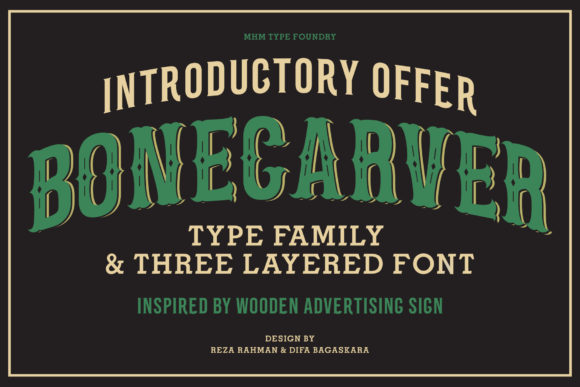
The Bone Carver font family is a multilayered display typeface inspired by the handcrafted aesthetics of old-school wooden advertising signs. With its rugged, textured look and nostalgic charm, it brings a unique visual identity to any design project. Whether you're working on branding materials, promotional graphics, or creative content, Bone Carver offers a distinctive way to communicate your message with character and personality.
Understanding Bone Carver in the Design Process
Bone Carver isn't just another decorative font—it's a versatile tool that can fit into various stages of a creative workflow. Its bold, stylized forms make it ideal for both high-impact and subtle applications. For instance, it can be used as a primary font in a logo or as an accent font to add visual interest to a layout. Understanding how it integrates with other elements in your design process is key to leveraging its full potential.
One of the strengths of Bone Carver is its adaptability. It works well with both digital and print media, making it suitable for a wide range of projects. From social media graphics to packaging designs, this font adds a tactile quality that can elevate the overall aesthetic of your work. Its layered structure also allows for customization, enabling designers to create variations that match their specific needs.
Where Bone Carver Fits in Your Workflow
Depending on the nature of your project, Bone Carver can be applied at different points in your workflow. Before starting a project, using it for concept sketches or mood boards can help set the tone and direction. During the design phase, it can serve as a visual anchor, guiding the rest of the typography choices. After the design is complete, it can be used for final touches, such as headlines or call-to-action buttons, to draw attention and reinforce brand identity.
For example, a small business owner launching a new product might use Bone Carver in the early stages to create a visual identity that reflects their brand’s heritage. As the project progresses, they could incorporate the font into marketing materials, website headers, and social media posts to maintain consistency across all platforms.
Practical Use Cases
- Branding: Use Bone Carver for logos, taglines, and packaging to create a strong visual identity.
- Marketing Materials: Apply it to posters, flyers, and banners to capture attention with its bold, eye-catching style.
- Digital Content: Incorporate it into web headers, email subject lines, and social media posts to stand out in a crowded digital landscape.
- Print Media: Utilize it in magazines, brochures, and book covers to add a vintage or artisanal feel.
- Artistic Projects: Employ it in mixed-media artworks, illustrations, and collages to enhance the visual narrative.
Each of these use cases highlights how Bone Carver can be integrated into different aspects of a project, from conceptualization to execution. Its ability to blend seamlessly with other design elements makes it a valuable addition to any designer’s toolkit.
Integrating Bone Carver with Other Tools and Resources
To maximize the effectiveness of Bone Carver, it’s important to consider how it interacts with other tools and resources in your workflow. When designing with this font, compatibility with design software like Adobe Illustrator, Photoshop, and InDesign is essential. These platforms provide the necessary features to manipulate and layer the font effectively, ensuring that the final output meets your design goals.
Additionally, Bone Carver works well with vector-based workflows, allowing for scalability without loss of quality. This makes it particularly useful for print and digital projects that require flexibility in size and format. When combined with other design assets—such as images, icons, and color schemes—it can create a cohesive and visually engaging composition.
For those working in a team environment, sharing and collaborating on projects that include Bone Carver requires careful organization. Ensuring that all team members have access to the correct font files and version is crucial to maintaining consistency throughout the design process. Cloud-based collaboration tools can help streamline this process, allowing for real-time feedback and revisions.
Workflow Examples and Implementation Tips
Let’s explore a few practical examples of how Bone Carver can be implemented in real-world scenarios:
Example 1: Logo Design
When creating a logo, start by sketching ideas that reflect the brand’s personality. Once a concept is chosen, use Bone Carver to experiment with different text styles and layouts. This font can help define the brand’s voice and make the logo more memorable. After finalizing the design, ensure that the font is properly embedded or linked in the final file to avoid issues during delivery.
Example 2: Social Media Graphics
For social media content, Bone Carver can be used to create attention-grabbing headlines or captions. Pair it with complementary colors and imagery to create a visually appealing post. Since social media platforms often have character limits, using this font for key phrases can help convey your message quickly and effectively.
Example 3: Website Headers
On websites, Bone Carver can be used for headers or section titles to add visual interest. However, it’s important to balance its bold appearance with readable body text. Using it sparingly ensures that the overall design remains functional and user-friendly.
Factors to Consider for Long-Term Use
When incorporating Bone Carver into your workflow, there are several factors to keep in mind for long-term success:
- Preparation: Ensure that you have the right tools and resources to work with the font effectively.
- Compatibility: Check that the font works well with your design software and platforms.
- Usability: Test the font in different contexts to ensure it meets your design needs.
- Organization: Keep your design files organized to maintain consistency and efficiency.
- Efficiency: Use the font strategically to avoid overuse and maintain visual balance.
- Consistency: Maintain a consistent application of the font across all projects to reinforce brand identity.
- Quality Control: Review your work regularly to ensure that the font is used appropriately and effectively.
- Long-Term Use: Consider how the font will evolve with your projects and adapt accordingly.
By keeping these considerations in mind, you can ensure that Bone Carver remains a valuable and effective tool in your design process for years to come.