Outdoors: The Classic Display Font That Elevates Your Brand
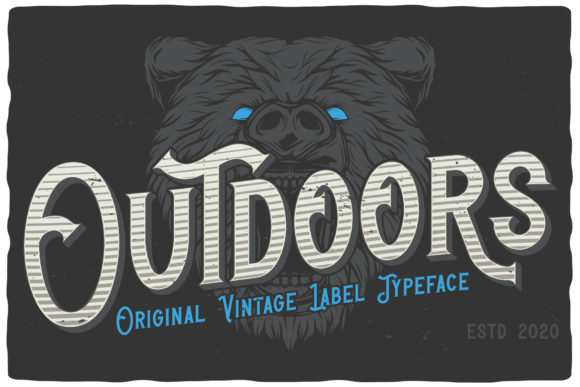
If you're looking for a font that commands attention and adds character to your design projects, Outdoors is a strong contender. This classic display font is known for its bold, stylish look that can elevate everything from logos to packaging and invitations. Whether you're a small business owner, designer, or marketer, understanding how to use Outdoors effectively can make a big difference in how your brand is perceived.
What Makes Outdoors a Versatile Choice?
Outdoors is more than just a pretty font—it's a versatile tool that can be used across multiple platforms and mediums. Its clean lines and eye-catching style make it ideal for creating visual impact without sacrificing readability. From t-shirts to posters, this font works well in both digital and print formats.
One of the standout features of Outdoors is its PUA encoding. This means that all glyphs and swashes are accessible, giving designers greater control over their typography. Whether you're working on a logo, a product label, or a creative quote, having access to every character ensures that your designs remain consistent and professional.
Common Mistakes When Using Outdoors
While Outdoors is a powerful font, there are several common mistakes people make when using it. Understanding these can help you avoid pitfalls and create better designs.
- Using it inappropriately: Outdoors is best suited for headlines, logos, and other prominent text elements. Using it for body copy can make your content difficult to read and may dilute the impact of your message.
- Ignoring font pairing: While Outdoors is striking on its own, it’s important to pair it with complementary fonts for body text. A sans-serif or serif font can provide balance and improve readability.
- Overlooking licensing details: Always check the license agreement before using Outdoors commercially. Some fonts have restrictions on usage, especially for print or digital media.
- Not considering file formats: Ensure you download the correct file format (e.g., OTF, TTF) for your design software. Using the wrong format can lead to compatibility issues and formatting errors.
- Failing to test on different screens: Outdoors looks great on high-resolution displays, but it may not render as well on lower-quality screens. Always test your design across various devices to ensure consistency.
How These Mistakes Can Affect Your Work
Making these mistakes can have real consequences for your design projects. For example, using Outdoors for body text can reduce legibility, leading to a poor user experience. Similarly, ignoring licensing terms could result in legal issues if your design is used for commercial purposes.
Another issue is the potential for inconsistent rendering. If you don’t test your design on different screens or devices, your audience might see variations in how your text appears. This can damage your brand's professionalism and credibility.
Practical Tips to Avoid These Mistakes
Here are some practical steps you can take to use Outdoors more effectively:
- Use it strategically: Save Outdoors for headlines, logos, and other key elements. Use a different font for body text to maintain readability.
- Check licensing agreements: Before using Outdoors for any commercial project, review the font’s license to ensure it aligns with your needs.
- Pair wisely: Combine Outdoors with a readable font for body text. Consider fonts like Arial, Helvetica, or Georgia for a balanced look.
- Test across platforms: Preview your design on different devices and screen resolutions to ensure it looks good everywhere.
- Explore all glyphs: Take advantage of Outdoors’ PUA encoding to access all available characters and swashes, which can add unique flair to your designs.
What to Look For Before Using Outdoors
Before you decide to use Outdoors, consider the following factors:
- Intended use: Is the font suitable for your project? Does it fit the tone and purpose of your design?
- Licensing: Are there any restrictions on how you can use the font? Make sure you understand the terms of use.
- Compatibility: Does the font work well with your design software and output formats?
- Readability: Will the font be easy to read in its intended context? Test it in different sizes and backgrounds.
- Design goals: Does the font support your creative vision? Does it align with your brand identity?
By carefully evaluating these aspects, you can ensure that Outdoors enhances your designs rather than detracts from them.
Final Thoughts on Outdoors
Outdoors is a fantastic choice for anyone looking to add a touch of elegance and personality to their design projects. However, like any font, it requires thoughtful application to achieve the best results. By avoiding common mistakes and making informed choices, you can unlock the full potential of Outdoors and create designs that stand out.