Planing Adds Personality to Your Designs
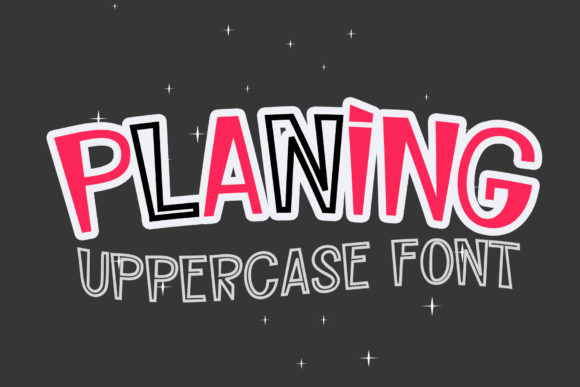
When you're designing something, the right font can make all the difference. Planing is a bold, chunky lettered and casual display font that brings energy and character to your work. Whether you're creating a website, a poster, or a social media graphic, Planing can help your message stand out in a unique way.
What Is Planing?
Planing is a typeface designed for impact. It's not your typical sans-serif or serif font. Instead, it features thick, rounded strokes that give it a playful yet strong presence. The letters are chunky and bold, making them easy to read at a glance while still maintaining a stylish edge.
This font is perfect for those who want to add some personality without sacrificing readability. Its design is versatile enough to work in both digital and print formats, which makes it a great choice for a wide range of projects.
Why Use Planing?
There are several reasons why someone might choose Planing for their design projects. First and foremost, it adds visual interest. In a world where attention spans are short, having a font that stands out can help your content grab and hold people’s attention.
Planing also conveys confidence and strength. Its bold nature makes it ideal for headlines, logos, and other elements where you want to make a statement. It's especially useful for branding, as it can help create a memorable identity that reflects the personality of a business or individual.
Where Can You Use Planing?
Planing is incredibly adaptable. Here are a few common use cases:
- Branding: Use it for company logos, taglines, and promotional materials to create a strong brand identity.
- Social Media: Apply it to Instagram posts, Twitter headers, or Facebook banners to make your content more eye-catching.
- Website Design: Incorporate it into headers, call-to-action buttons, or hero sections to guide users’ attention effectively.
- Print Materials: From flyers to brochures, Planing can enhance the visual appeal of printed content.
- Art Projects: Whether you're creating digital art or hand-drawn designs, this font can add a unique touch.
Getting Started with Planing
If you're new to using display fonts like Planing, there are a few things to keep in mind. First, always test how the font looks in different sizes and colors. What works well on a large banner may not be as effective in smaller text.
Second, consider the context in which you'll be using the font. If your design is meant to be professional, you might want to pair Planing with a more traditional font for balance. However, if you're aiming for a fun or edgy vibe, Planing could be the perfect fit on its own.
Lastly, don’t forget about accessibility. While Planing is bold and striking, it should still be readable. Make sure your background and text color contrast well to ensure clarity, especially for users with visual impairments.
Real-World Examples
Imagine you're running a small business and want to create a logo that feels modern and approachable. Planing could be the perfect choice for your company name. Its friendly yet bold style can convey trust and reliability while still being memorable.
Another example: A blogger looking to update their site’s header. By using Planing for the main title, they can instantly elevate the look of their blog and make it more engaging for readers.
For educators, Planing could be used in classroom materials or presentation slides to make learning more interactive and visually appealing. It can help break up long blocks of text and keep students engaged.
Considerations Before Using Planing
Before you dive into using Planing, there are a few important factors to consider:
- Font Licensing: Make sure you have the proper license to use the font in your project, especially if it's for commercial use.
- Compatibility: Check that the font works across different platforms and devices. Some fonts may not render correctly on all systems.
- Readability: Always test the font in various contexts to ensure it remains legible and effective.
- Design Balance: Use Planing thoughtfully. Too much of it can overwhelm a design, so it's best to use it strategically.
Conclusion
Planing is more than just a font—it's a tool for expression. Whether you're a designer, marketer, educator, or hobbyist, incorporating Planing into your toolkit can help you create more dynamic and engaging content. With its bold, chunky style, it's an excellent choice for adding personality and flair to your designs.