Sorrow Font: A Bold Choice for Creative Expression
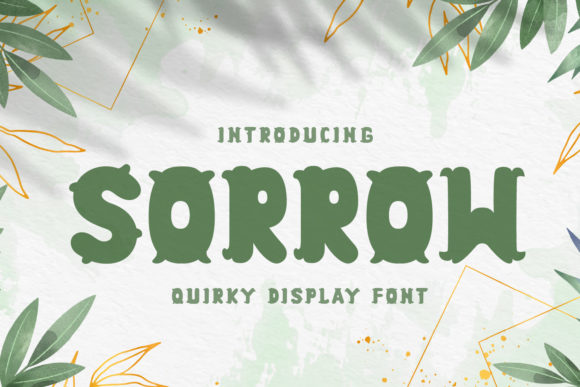
Sorrow is a quirky and incredibly unique display font that stands out with its bold and chunky lettering. Designed to make an impact, this font is ideal for those looking to add character and creativity to their visual projects. Whether you're designing logos, posters, or social media graphics, Sorrow offers a distinctive aesthetic that can elevate your work.
What Is Sorrow?
Sorrow is a display typeface characterized by its bold, chunky, and stylized design. Each letterform is crafted with a sense of individuality, making it visually engaging and attention-grabbing. The font's unique shape and structure make it particularly suited for creative and artistic applications where a strong visual statement is desired.
Unlike more traditional sans-serif or serif fonts, Sorrow embraces a more playful and unconventional approach. This makes it stand out in a crowded digital landscape, offering designers a fresh alternative to standard typography choices.
Why Would Someone Be Interested in Sorrow?
There are several reasons why someone might be drawn to Sorrow. First and foremost, its bold and chunky style can help content stand out, especially in environments where visual hierarchy is crucial. It’s particularly effective in situations where the goal is to capture attention quickly, such as in branding, advertising, or event promotions.
Additionally, Sorrow’s quirky nature appeals to those who value uniqueness and creativity. If you're working on a project that requires a memorable and eye-catching design, this font can serve as a powerful tool to differentiate your work from the rest.
Its versatility also makes it an attractive option for a wide range of uses. From print materials to digital content, Sorrow can adapt to various formats, allowing designers to experiment with different layouts and compositions.
Benefits and Considerations
One of the key benefits of using Sorrow is its ability to create a strong visual identity. The bold and chunky design ensures that text remains legible even at smaller sizes, which is essential for maintaining clarity in both print and digital contexts.
However, there are also some considerations to keep in mind. Because of its stylized appearance, Sorrow may not be suitable for all types of content. For example, it might not be the best choice for formal documents, legal texts, or other professional settings where readability and neutrality are paramount.
Another consideration is the font's compatibility with different platforms and software. While most modern design tools support a wide range of fonts, it's always a good idea to test how Sorrow renders across various devices and screen sizes to ensure consistency and quality.
When Is Sorrow a Strong Fit?
Sorrow shines in scenarios where a bold and creative visual statement is needed. It works exceptionally well for branding materials, such as logo designs, packaging, and promotional campaigns. Its unique style can help establish a brand's personality and make it more memorable.
The font is also well-suited for social media content, where visual appeal plays a significant role in engagement. Posts, banners, and thumbnails that incorporate Sorrow can stand out in a sea of similar content, helping to draw viewers in.
Additionally, Sorrow can be a great choice for creative writing or artistic projects. Its distinctive look can enhance the mood and tone of the content, adding an extra layer of expression and emotion.
When Might Alternatives Be Better?
While Sorrow has its strengths, there are situations where alternatives might be more appropriate. For instance, if you're working on a project that requires a more professional or formal appearance, a classic serif or sans-serif font may be a better fit.
Similarly, if your audience is primarily older adults or individuals who prefer traditional typography, Sorrow's quirky style might not resonate as well. In such cases, opting for a more conventional font could improve readability and user experience.
It's also worth considering the context in which the font will be used. If the design needs to be scalable or adaptable to different mediums, a more versatile font might offer greater flexibility and reliability.
Making the Right Decision
Choosing the right font depends on your specific goals and the needs of your audience. When evaluating Sorrow, consider the following factors:
- Visual Impact: Does the font align with the overall aesthetic you're aiming for?
- Readability: Is the font legible in the intended context and size?
- Compatibility: Will the font work across all platforms and devices?
- Audience: Does the font suit the preferences and expectations of your target audience?
- Use Case: Is the font appropriate for the type of content and medium you're working with?
By carefully weighing these factors, you can determine whether Sorrow is the right choice for your project or if another font might be more suitable.
In conclusion, Sorrow is a bold and quirky display font that offers a unique visual style. While it excels in creative and attention-grabbing applications, it's important to consider its limitations and suitability for different contexts. By understanding its strengths and weaknesses, you can make an informed decision about whether Sorrow aligns with your design goals and audience needs.